The Hidden Infrastructure Behind Astra 19.2°E
Estimated reading time: 17 minutes.
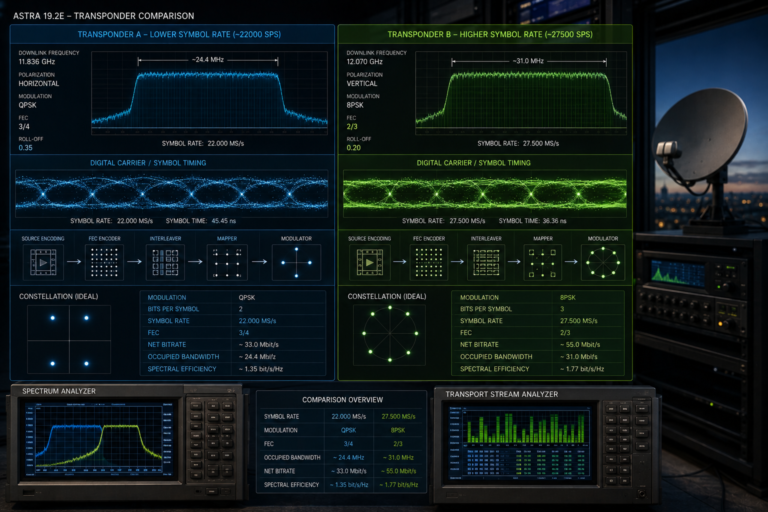
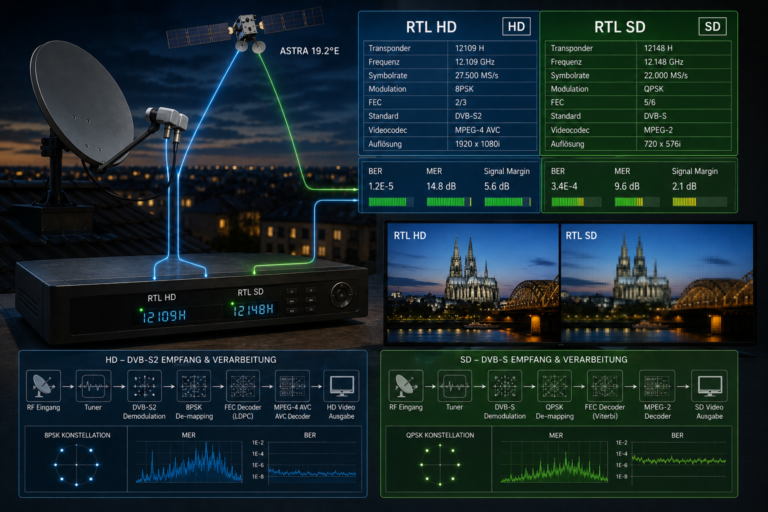
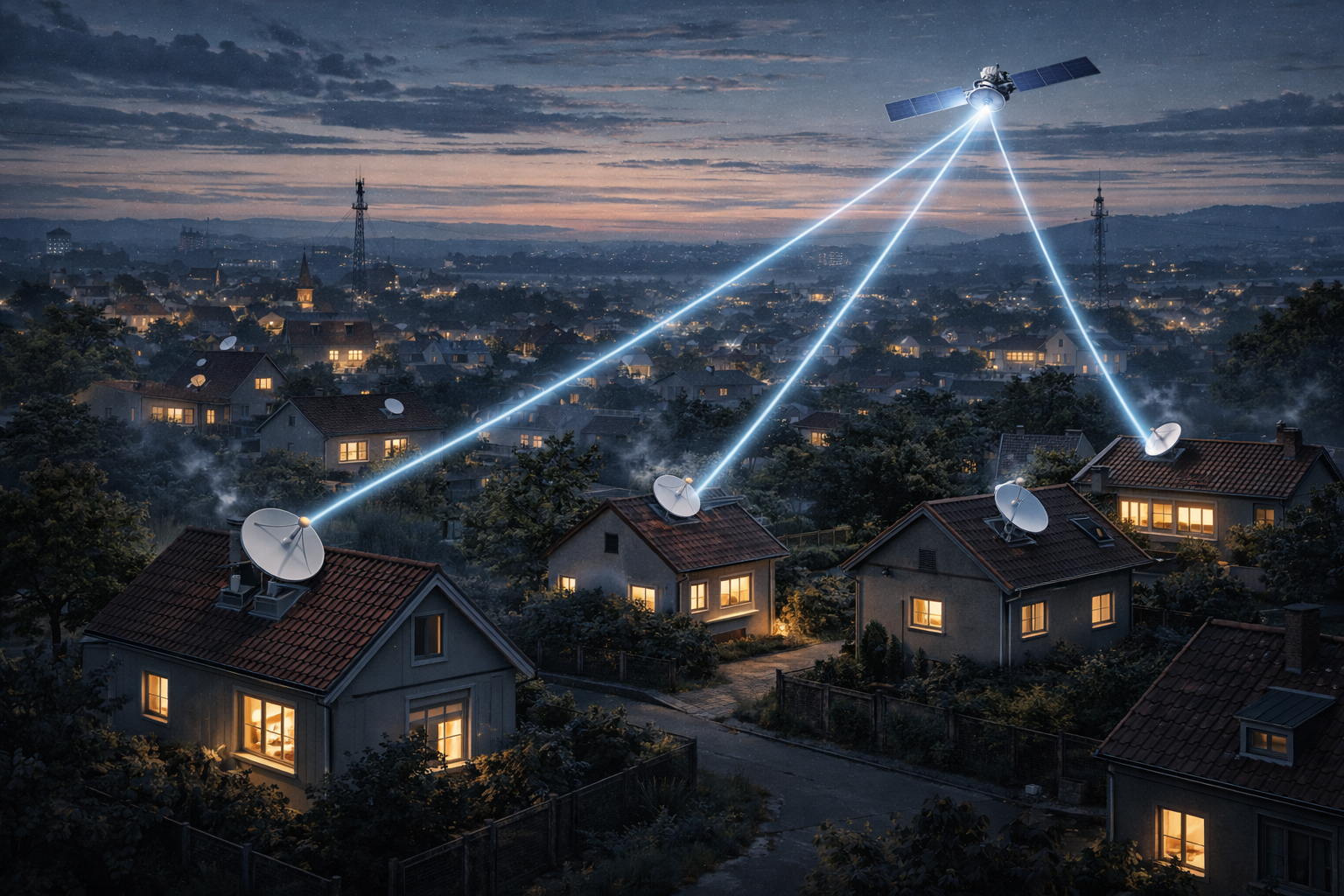
Astra 19.2°E looks like a point in the sky. For most viewers, it is a simple idea. Point the dish and watch TV. But the real story is not in orbit alone. The real story is the hidden infrastructure on the ground. Uplink facilities. Control rooms. Monitoring. Redundancy. And the operational discipline that keeps broadcasts stable every day.
Quick Context
This article focuses on the hidden layers that support a large satellite TV ecosystem. It avoids technical overload and explains infrastructure in a practical way. The goal is to show why stability is an operational achievement, not a coincidence.
- Why the Most Important Layer Is Invisible
- Uplink Sites and Signal Preparation
- Control Rooms and Daily Operations
- Monitoring, Quality Control, and Fast Response
- Redundancy That Prevents Public Failure
- Capacity Planning and Channel Stability
- Security and Operational Discipline
- Why Partnerships Matter as Much as Hardware
- Weather, Interference, and Real World Constraints
- Reality Check
- Final Verdict
- Frequently Asked Questions
Why the Most Important Layer Is Invisible
Viewers notice television when something breaks. When everything works, it feels like nature. Turn on the screen and content appears.
That feeling is not automatic. It is produced by infrastructure that stays out of sight. The role of Astra 19.2°E is not only to exist in orbit. The role is to deliver consistent service through a system that prevents small issues from becoming public events.
This invisible success is what turns an orbit into a trusted habit.
Strong broadcasting infrastructure is designed so that problems stay private.
Uplink Sites and Signal Preparation
A broadcast signal does not simply travel upward as raw content. It is prepared, processed, and packaged before uplink. This includes timing coordination, feed management, and distribution planning.
Uplink sites function like gateways. They collect inputs from broadcasters and convert them into stable transmission routines. When uplink sites are managed well, channels behave consistently and predictably.
This is why uplink infrastructure matters. A stable orbit without stable uplink operations would still produce an unstable viewer experience.
Control Rooms and Daily Operations
Control rooms are the daily heartbeat of satellite distribution. They coordinate schedules, watch system health, and manage operational decisions.
Broadcasting is not a set and forget system. It is a constant balance of tasks. Planned maintenance. unexpected faults. adjustments for high demand events.
The calmer the control room, the calmer the viewing experience. This is why long term dominance often belongs to systems with mature operations, not only advanced hardware.
Monitoring, Quality Control, and Fast Response
Monitoring is the difference between a small technical issue and a public outage. A mature ecosystem watches for early signs of failure. Signal quality shifts. timing drift. unusual behavior.
Quality control is not only about maximum performance. It is about consistent performance. Viewers prefer stable quality over unpredictable spikes and drops.
Fast response matters as well. In broadcasting, minutes can feel long. A well designed monitoring culture reduces reaction time and limits visible impact.
Redundancy That Prevents Public Failure
Redundancy is often misunderstood. It is not a luxury. It is the core of reliability.
Real world systems assume faults. Hardware fails. weather affects pathways. power events happen. A stable satellite TV ecosystem prepares for this by building alternate paths and fallback routines.
The purpose of redundancy is to make failures boring. A failure should trigger a clean switch rather than a public disruption. When redundancy works, viewers never learn that anything happened.
Capacity Planning and Channel Stability
Stability is not only technical. It is also structural. Capacity planning ensures that distribution remains sustainable as channel lineups evolve.
When capacity is planned well, new channels can be added without chaos. temporary event feeds can appear without breaking routine services. the system remains predictable.
From the viewer perspective, this looks simple. But the simplicity is produced by careful planning behind the scenes.
Security and Operational Discipline
Satellite distribution involves valuable content and sensitive operations. Security is therefore part of infrastructure. Access controls. operational procedures. incident response planning.
Operational discipline is the quiet layer that keeps complexity manageable. People follow checklists. teams communicate clearly. changes are documented. these behaviors reduce the chance that a small mistake becomes a broadcast problem.
This human layer is often the hidden advantage of mature systems. Hardware can be purchased. discipline must be built over time.
Why Partnerships Matter as Much as Hardware
Large distribution ecosystems depend on partners. Broadcasters. service providers. equipment vendors. installation networks.
Partnerships create shared standards. Shared standards reduce friction. Reduced friction increases stability for the viewer.
This is one reason established orbital positions remain dominant. Their partner networks are mature. Mature networks are difficult to replicate quickly.
Weather, Interference, and Real World Constraints
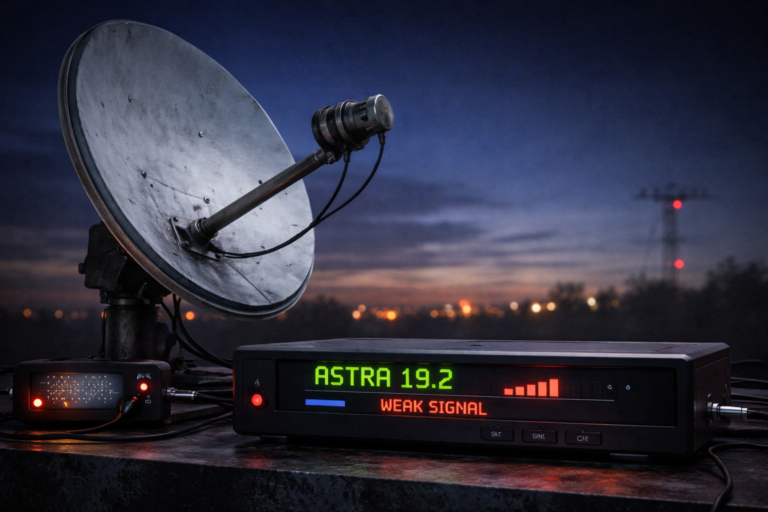
Broadcasting lives in the real world. Weather affects reception. Interference can appear. local installation quality varies.
Hidden infrastructure helps absorb these constraints through monitoring, redundancy, and consistent operational practices. It cannot remove all real world issues, but it can reduce how often they become visible.
In practice, the best systems are not those that promise perfection. They are those that recover quickly and keep the viewer experience stable most of the time.
Reality Check
Astra 19.2°E depends on more than satellites. Its reliability comes from ground infrastructure, monitoring, redundancy, disciplined operations, and mature partnerships. The orbit is the visible symbol. The hidden infrastructure is the real engine.
Final Verdict
Final Verdict
The dominance of Astra 19.2°E is built on invisible work. Uplink systems, control rooms, monitoring, and redundancy keep distribution stable at scale. When these layers mature over years, the viewer experience becomes simple, predictable, and trusted. That trust is what turns an orbital position into Europe’s everyday television backbone.
Frequently Asked Questions
| Question | Answer |
|---|---|
| What does hidden infrastructure mean in satellite TV? | It means the ground systems and operations that make satellite broadcasting stable. Uplink sites, control rooms, monitoring, and redundancy are part of this layer. |
| Why is redundancy so important? | Because real systems fail sometimes. Redundancy ensures that failures switch to backup paths smoothly instead of becoming visible outages. |
| Do viewers notice these infrastructure layers? | Usually no. The goal is to keep infrastructure invisible so viewers experience stable television without thinking about delivery. |
| Can another orbit replicate this quickly? | Replication is difficult because mature operations and partnerships take time to build. Hardware alone is not enough. |