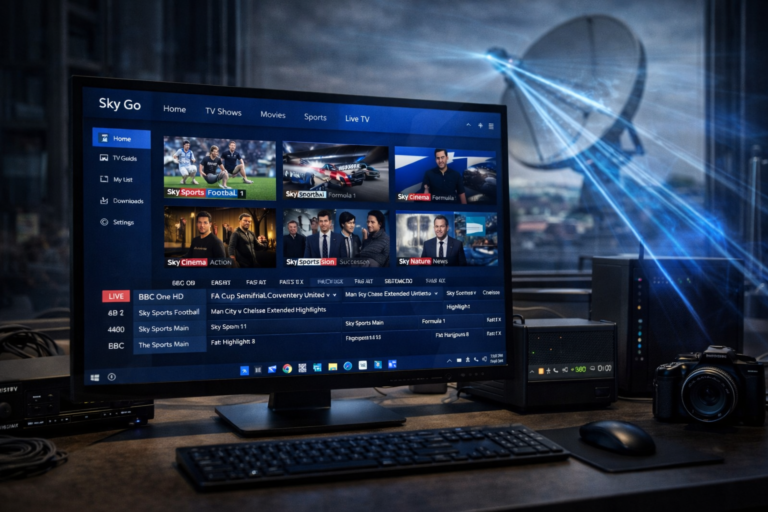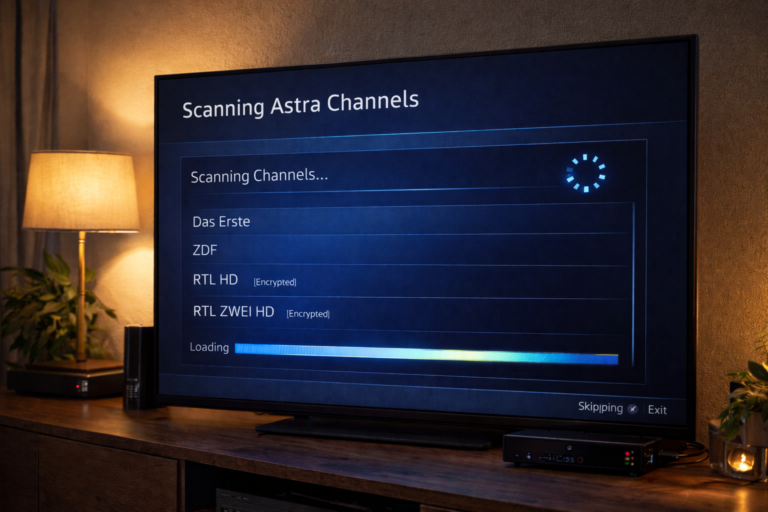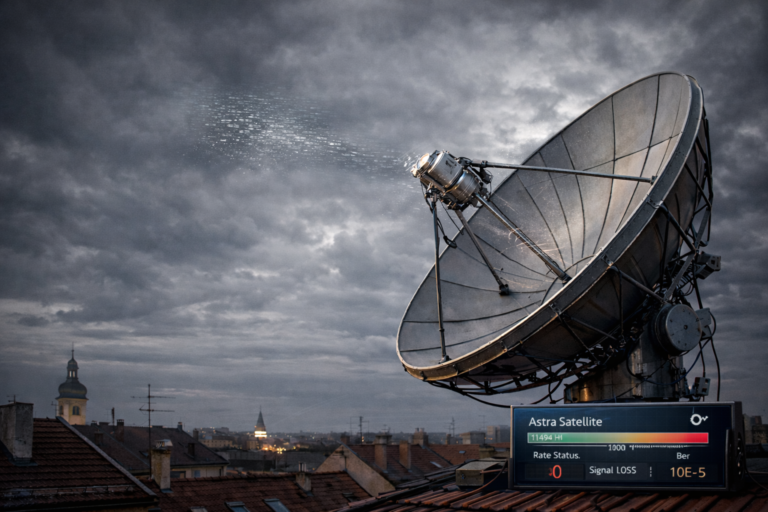
European Satellite TV vs Internet TV – A Practical Comparison
Estimated reading time: 16–24 minutes
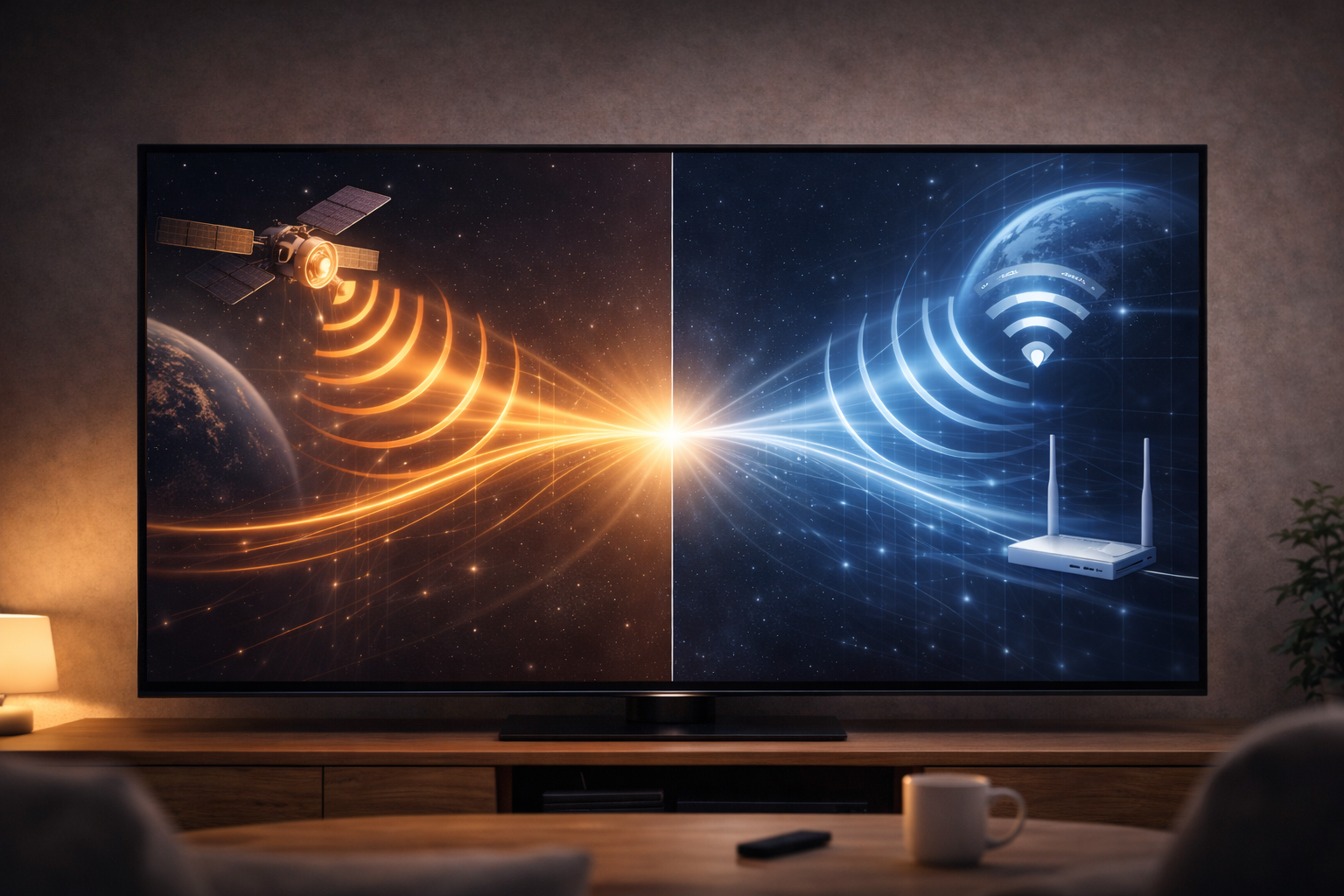
Television in Europe no longer follows a single delivery method. For many households, the choice now appears simple: satellite TV or internet TV.
In reality, the comparison is more practical than technical. Both systems continue to coexist, each serving different needs depending on location, habits, and expectations. This article offers a clear, real-world comparison between satellite television and internet-based TV in Europe, without hype or assumptions.
Table of Contents
- Two systems serving the same goal
- How satellite TV works in practice
- How internet TV works in practice
- Coverage and geographic reliability
- Signal stability and consistency
- Image quality and performance
- Infrastructure requirements
- Ease of use in everyday life
- Live content and real-time viewing
- Flexibility and on-demand access
- Different household scenarios
- Cost perception and expectations
- Long-term relevance in Europe
- Reality Check
- Final Verdict
- FAQ
Two systems serving the same goal
Both satellite TV and internet TV aim to deliver television content. The difference lies in how they handle reliability, flexibility, and reach.
Neither system fully replaces the other. They solve different problems.
How satellite TV works in practice
Satellite TV delivers signals directly from space to the household. Once installed, it operates independently from local internet conditions.
This independence remains one of its strongest advantages.
How internet TV works in practice
Internet TV relies on broadband connectivity. Content streams through local networks.
Performance depends on connection quality, network congestion, and household usage.
Coverage and geographic reliability
Satellite TV offers near-universal coverage. Urban or rural, coverage remains consistent.
Internet TV depends on infrastructure. In areas with strong broadband, it performs well. Elsewhere, limitations appear.
Signal stability and consistency
Satellite signals remain stable once aligned correctly. Weather can affect reception, but interruptions are generally predictable.
Internet TV stability fluctuates with network load, especially during peak hours.
Image quality and performance
Both systems can deliver high image quality. Satellite TV maintains consistent quality during live broadcasts.
Internet TV can match or exceed quality when bandwidth is sufficient, but performance varies.
Infrastructure requirements
Satellite TV requires initial installation. Once complete, it remains largely maintenance-free.
Internet TV depends on routers, modems, and network upgrades over time.
Ease of use in everyday life
Satellite TV offers simplicity. Turn on the TV. Channels are available immediately.
Internet TV offers flexibility, but often requires navigation, apps, and updates.
Live content and real-time viewing
Satellite TV excels at live content. Sports, news, and events remain reliable.
Internet TV can deliver live content, but latency and buffering may appear.
Flexibility and on-demand access
Internet TV offers strong on-demand flexibility. Users choose content at any time.
Satellite TV focuses on schedules, though catch-up options increasingly exist.
Different household scenarios
Large households often prefer satellite reliability. Shared viewing works smoothly.
Single users or mobile households often prefer internet TV for flexibility.
Cost perception and expectations
Satellite TV feels predictable. Costs r