Why Satellite TV Is Not Disappearing in Europe

Estimated reading time: 15–21 minutes
For years, headlines have predicted the end of satellite television in Europe. Each new streaming platform seemed to confirm the same idea: that satellites would soon become unnecessary. Yet in 2026, satellite TV is still very much present across the continent.
This persistence is not accidental. Satellite television continues to serve real needs that modern platforms do not fully replace. This article explains why satellite TV is not disappearing in Europe, and why its role remains quietly important in everyday television life.
Table of Contents
- Why satellite TV was expected to disappear
- What reality actually shows
- The strength of satellite infrastructure
- Coverage advantages across Europe
- Reliability that viewers rarely notice
- Satellite TV and live content
- How satellite fits into the hybrid TV model
- Viewer habits that favor satellite TV
- Rural and urban use cases
- Economic and practical considerations
- Common misunderstandings about satellite TV
- The future outlook for satellite television
- Reality Check
- Final Verdict
- FAQ
Why satellite TV was expected to disappear
The prediction of satellite TV’s decline usually followed the same logic: internet speeds would improve, streaming would expand, and traditional broadcasting would become unnecessary.
This assumption overlooked one important factor: television is not just about technology. It is about access, habits, reliability, and scale.
What reality actually shows
Reality in Europe looks different from predictions. Millions of households still rely on satellite TV daily. Not because they resist change, but because satellite continues to work well.
In many homes, satellite TV remains the most stable way to receive a wide range of channels. This stability keeps it relevant.
The strength of satellite infrastructure
Satellite infrastructure was built for longevity. It was designed to serve large regions with consistent quality over long periods. Once established, such infrastructure does not vanish quickly.
Unlike consumer platforms that change frequently, broadcast infrastructure evolves slowly and deliberately. This durability explains satellite TV’s continued presence.
Coverage advantages across Europe
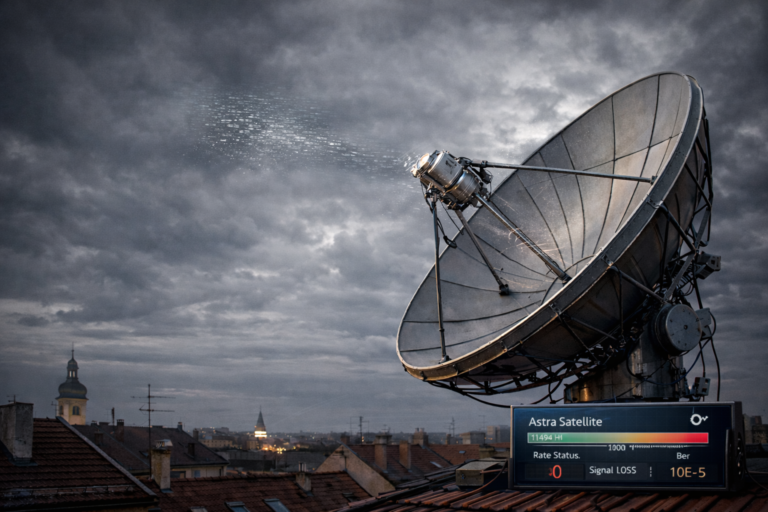
Europe’s geography makes uniform coverage challenging. Satellite broadcasting bypasses these challenges by delivering signals from above, providing consistent reach across borders, terrain, and population density.
This coverage ensures that television access is not determined by location. Satellite TV remains a practical solution for diverse regions.
Reliability that viewers rarely notice
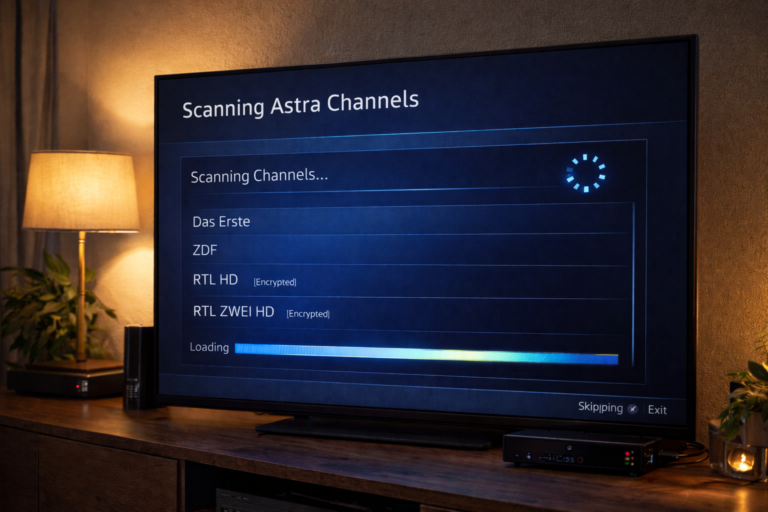
When television works smoothly, viewers rarely think about how it arrives. Satellite TV excels at this quiet reliability. It delivers consistent quality regardless of local internet congestion.
This reliability supports everyday routines, from background viewing to major live events.
Satellite TV and live content
Live content places unique demands on delivery systems. Millions of viewers may tune in at the same moment. Satellite broadcasting handles this scale naturally.
The number of viewers does not affect signal quality. This makes satellite TV especially valuable for live broadcasts.
How satellite fits into the hybrid TV model
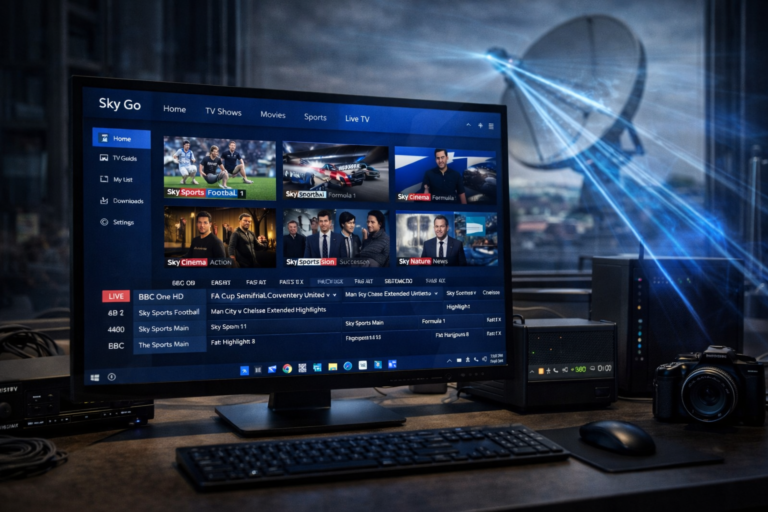
In 2026, television in Europe is hybrid. Satellite TV provides the stable core, while digital platforms add flexibility and choice.
Satellite is not competing with streaming. It complements it by anchoring the system.
Viewer habits that favor satellite TV
Many viewing habits align naturally with satellite television. Scheduled programming, passive viewing, and shared experiences fit well within satellite-based broadcasting.
These habits change slowly. As long as they exist, satellite TV retains a role.
Rural and urban use cases
Satellite TV is often associated with rural areas, but it also serves urban households by providing stable quality independent of local network conditions.
Its value lies in consistency rather than exclusivity.
Economic and practical considerations
From a practical standpoint, satellite TV remains cost-effective for large-scale distribution. Once infrastructure is in place, the marginal cost of serving additional viewers is low.
This efficiency supports its continued use by broadcasters.
Common misunderstandings about satellite TV
Misunderstanding 1: Satellite TV is outdated
Satellite technology has evolved alongside digital broadcasting. It is not frozen in the past.
Misunderstanding 2: Satellite TV only exists where internet is weak
Even in well-connected areas, satellite provides reliability and scale.
Misunderstanding 3: Satellite TV and streaming cannot coexist
In reality, they already coexist in hybrid systems.
The future outlook for satellite television
Satellite TV is unlikely to disappear in Europe. Its role may continue to evolve, but its core strengths remain relevant.
As long as television values stability, reach, and shared experiences, satellite broadcasting will remain part of the ecosystem.
Reality Check
Satellite TV persists because it solves problems that newer platforms do not fully address. Its disappearance has been predicted many times, yet it continues to serve millions of viewers across Europe.
Final Verdict
Satellite TV is not disappearing in Europe because it remains useful. Its reliability, coverage, and ability to support live and routine viewing ensure that it stays relevant within Europe’s hybrid television future.
FAQ
Is satellite TV still widely used in Europe?
Yes. Many households continue to rely on satellite TV daily.
Why hasn’t streaming replaced satellite TV?
Because satellite TV provides stability, scale, and reliable access that streaming alone cannot guarantee.
Is satellite TV only relevant for rural areas?
No. It serves both rural and urban households by offering consistent quality.
Will satellite TV disappear in the future?
It is more likely to evolve within hybrid systems than to disappear entirely.
Is this article safe for AdSense and GEO?
Yes. It is informational, policy-safe, and focused on media infrastructure and viewer behavior.