Astra Signal Drops During Rain Explained
Estimated reading time: 18 minutes.
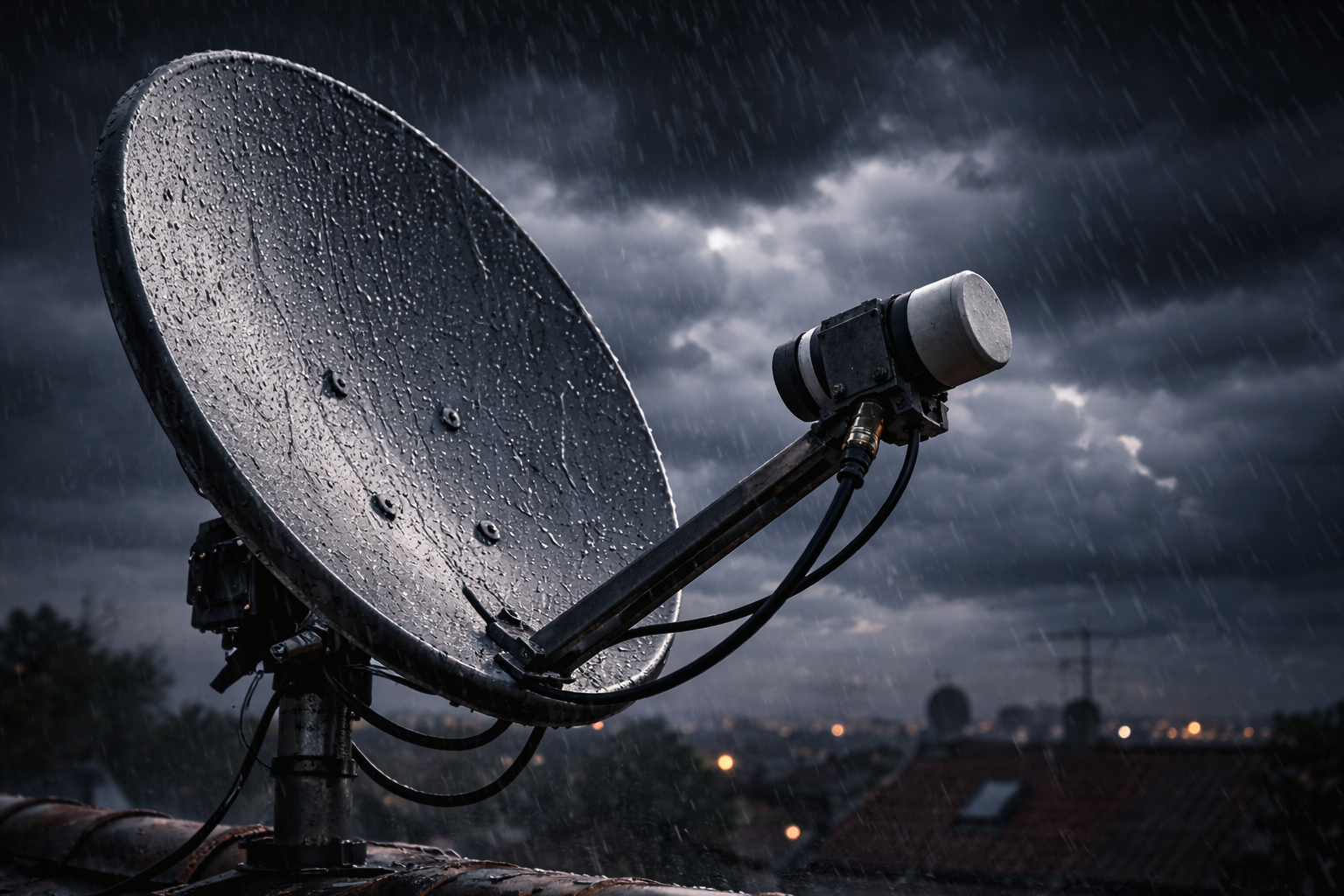
Satellite television systems are generally very reliable, but many viewers notice that Astra channels sometimes disappear or freeze during heavy rain. This phenomenon is not caused by the satellite stopping its transmission. Instead, it is related to how radio signals interact with water droplets in the atmosphere.
Understanding why signal drops during rain helps explain a common behavior of satellite reception systems. The issue is widely known as rain fade and it affects nearly every satellite installation that operates in the Ku band frequency range used by Astra 19.2.
Quick Context
This article explains why Astra satellite signals weaken during rainfall and what installation factors influence how strongly weather conditions affect satellite reception.
- What rain fade actually is
- Why Ku band signals are sensitive to rain
- Signal path between satellite and dish
- How rainfall intensity affects reception
- Role of dish size in weather resistance
- Importance of dish alignment during storms
- Typical weather related signal behavior
- Reality Check
- Final Verdict
- Frequently Asked Questions
What rain fade actually is
Rain fade is the term used to describe the weakening of satellite signals as they pass through heavy rainfall. Satellite signals travel through the atmosphere before reaching the dish on a home installation.
When these signals encounter dense clusters of raindrops, some of the energy is absorbed or scattered. This reduces the signal power that finally reaches the dish.
If the signal strength falls below the decoding threshold required by the receiver, the television may display freezing images, pixelation, or a complete signal loss message.
Rain fade typically lasts only as long as the intense rainfall continues.
Why Ku band signals are sensitive to rain
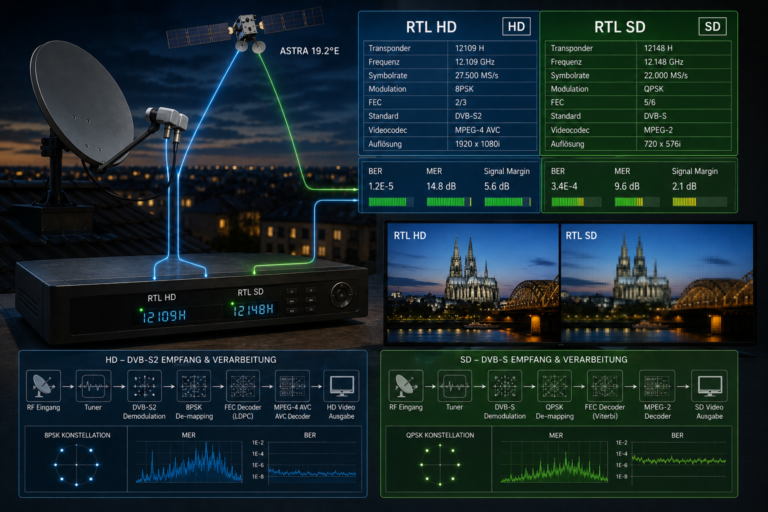
Astra satellites broadcast television channels using frequencies within the Ku band spectrum. These frequencies allow small satellite dishes to receive signals efficiently.
However Ku band signals are more sensitive to atmospheric conditions compared with lower frequency satellite bands.
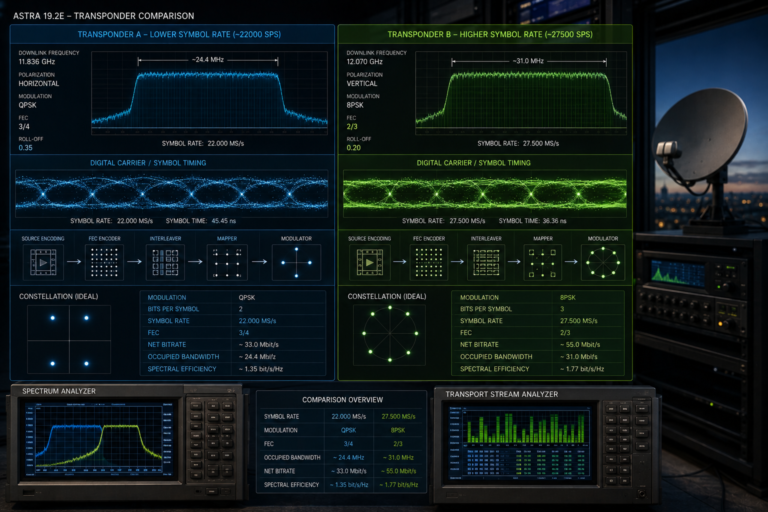
Water droplets in rain clouds interact with the signal wavelengths used in Ku band transmissions.
This interaction reduces signal intensity before the signal reaches the receiving dish.
Signal path between satellite and dish
Satellite signals travel over thirty thousand kilometers from the satellite to the Earth. Most of that journey occurs in empty space where there is little interference.
The final portion of the journey occurs within the Earth’s atmosphere.
This atmospheric layer contains clouds, water vapor, and precipitation. Heavy rainfall within this path can weaken the signal just before it reaches the dish.
The longer the signal travels through intense rainfall, the greater the potential signal loss becomes.
How rainfall intensity affects reception
Light rain usually has minimal impact on satellite reception. Most installations continue working normally during mild weather.
As rainfall intensity increases, more signal energy is absorbed by water droplets.
Very heavy storms may temporarily reduce signal strength enough to cause brief interruptions.
These interruptions normally disappear as soon as the storm weakens or passes.
Role of dish size in weather resistance
Dish size plays a significant role in how well a satellite system handles rain fade.
Larger dishes collect more signal energy from the satellite transmission. This extra signal margin helps compensate for weather related signal loss.
Smaller dishes operate closer to the minimum signal threshold, which means heavy rainfall may affect them more easily.
Many installations use dish sizes that provide sufficient signal margin to withstand moderate weather conditions.
Importance of dish alignment during storms
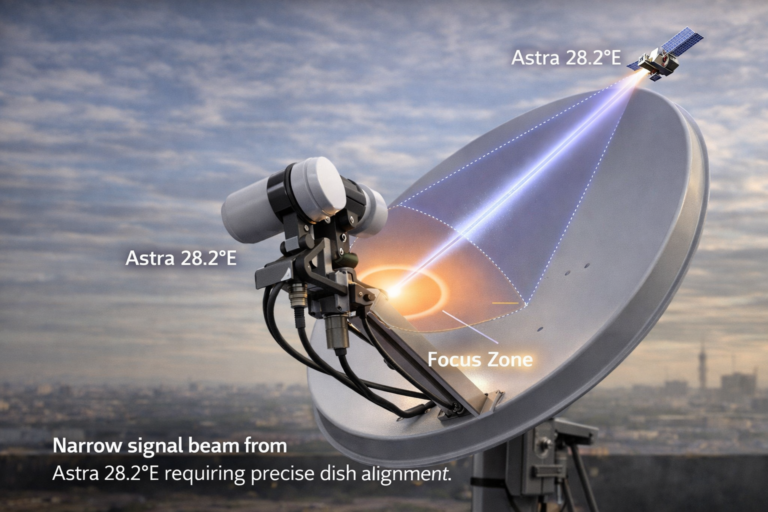
Proper dish alignment becomes especially important during bad weather. When the dish is perfectly aligned it receives the strongest possible signal from the satellite.
If alignment is slightly off, the signal margin becomes smaller.
This means even moderate rainfall may cause reception loss.
Accurate alignment ensures the system maintains maximum signal strength under normal conditions.
Typical weather related signal behavior
| Weather condition | Signal impact | Viewer experience |
|---|---|---|
| Clear sky | Strong signal | Stable reception |
| Light rain | Minor signal reduction | No noticeable change |
| Heavy rain | Moderate signal loss | Occasional pixelation |
| Intense storm | Temporary signal interruption | Signal loss message |
Reality Check
Rain fade is a normal physical effect that impacts most Ku band satellite systems. The satellite itself continues broadcasting normally even when viewers experience temporary signal loss.
Final Verdict
Final Verdict
Signal drops during heavy rain are a natural result of atmospheric interference with satellite transmissions. Proper dish alignment and adequate dish size help minimize the impact of rain fade on Astra reception.
Frequently Asked Questions
| Question | Answer |
|---|---|
| Why does satellite signal disappear during storms | Heavy rainfall absorbs and scatters the satellite signal before it reaches the dish. |
| Does the satellite stop broadcasting during rain | No the satellite continues transmitting normally. The signal simply weakens during atmospheric interference. |
| Can dish size reduce rain fade | Yes larger dishes capture stronger signals which helps maintain reception during storms. |
| Is rain fade permanent | No signal usually returns immediately after the heavy rainfall passes. |