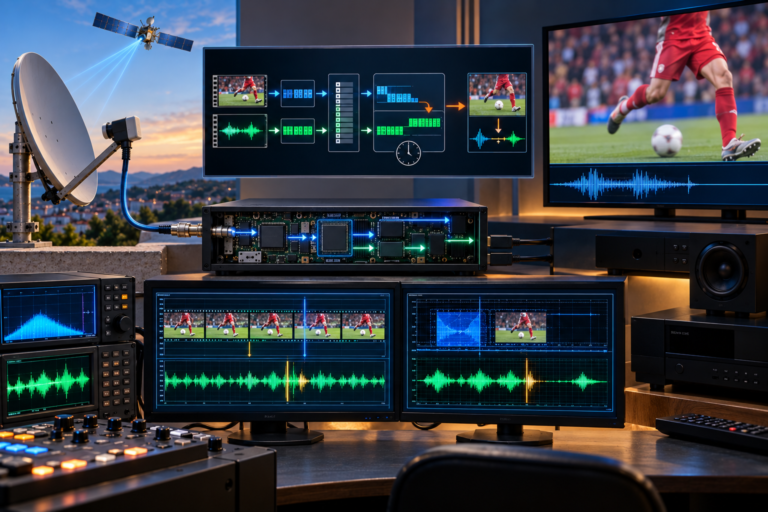
The Hidden Reason Some Eutelsat 16E Frequencies Feel Unstable
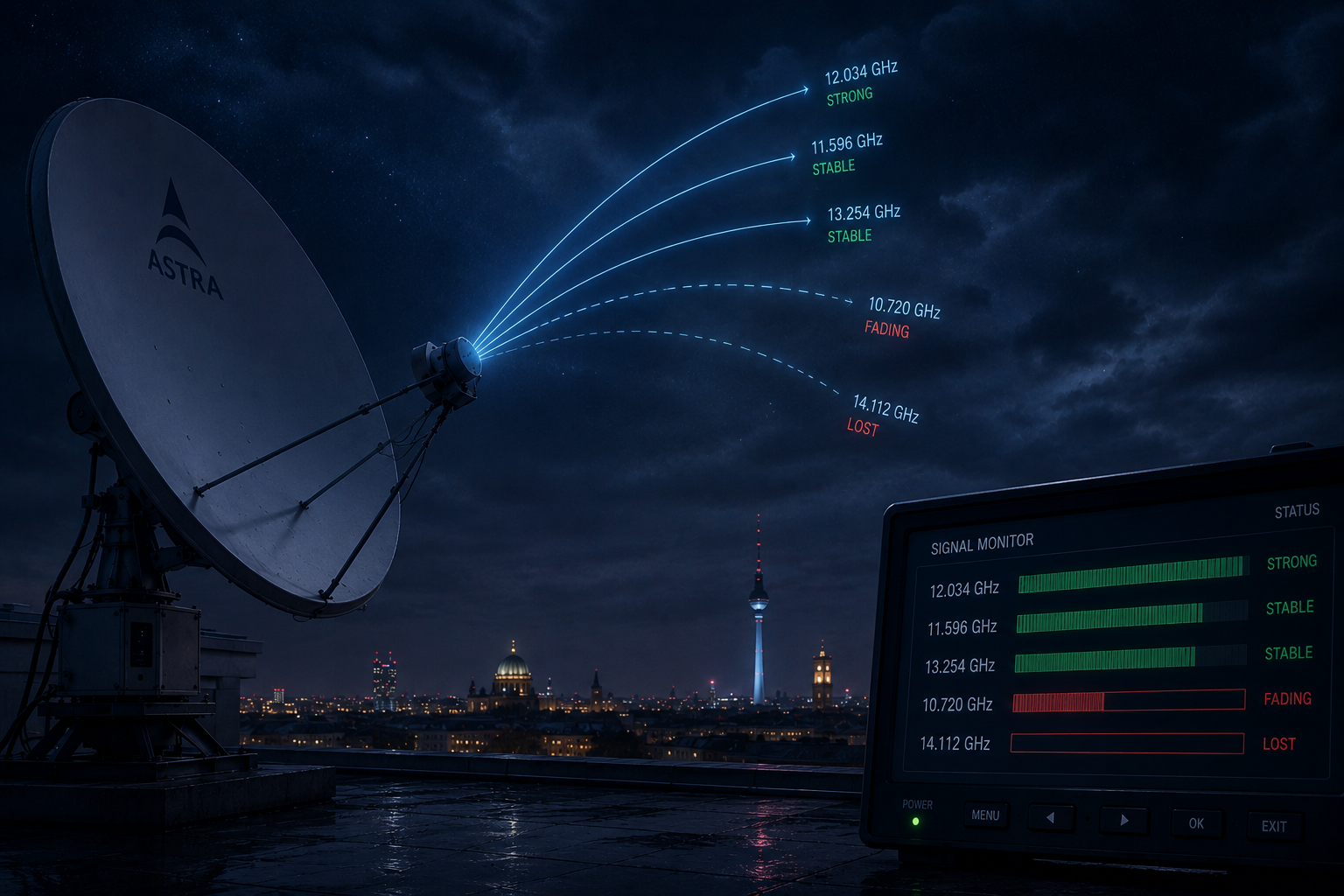
Estimated reading time: 18 minutes.
This article explains:
- Why some Eutelsat 16E frequencies feel unstable.
- How transponder sensitivity affects reception.
- Signal quality vs signal strength.
- Dish alignment and polarization behavior.
- LNB stability and frequency drift.
- Why some frequencies fail before others.
- Receiver synchronization and BER problems.
- Real technical fixes for unstable frequencies.
- Why Not All Frequencies Behave the Same
- Signal Quality vs Signal Strength
- Transponder Sensitivity and Modulation
- Dish Alignment Precision
- LNB Skew and Polarization Stability
- LNB Frequency Drift
- Receiver Decoding and BER Instability
- Environmental and Weather Influence
- Technical Comparison Table
- Real Technical Fixes
- Reality Check
- Final Verdict
- FAQ
Why Not All Frequencies Behave the Same
One of the biggest misunderstandings in satellite reception is assuming that every transponder on Eutelsat 16E should behave identically.
In reality, different frequencies may use different symbol rates, modulation systems, error correction settings, and beam characteristics.
Some frequencies are naturally more demanding than others.
A strong transponder with conservative modulation may continue working even when reception conditions become difficult.
Another transponder using higher-density DVB-S2 modulation may fail quickly under the same conditions.
This creates the impression that certain frequencies are unstable while others remain normal.
The satellite itself is usually functioning correctly. The real difference comes from how each transponder reacts to weak signal quality and environmental stress.
Signal Quality vs Signal Strength
Many users rely heavily on the signal percentage displayed by the receiver.
Unfortunately, this often creates confusion because strength and quality are not the same thing.
Signal strength measures RF energy reaching the tuner.
Signal quality measures how clean and decodable the transport stream actually remains.
A frequency may still show strong signal presence while suffering unstable quality.
BER errors, synchronization instability, and noise contamination may still destroy decoding reliability.
This explains why some Eutelsat 16E frequencies freeze randomly even though the signal meter appears healthy.
The receiver may still detect signal energy while struggling to reconstruct the actual digital stream correctly.
Transponder Sensitivity and Modulation
Modern HD transponders often use DVB-S2 combined with modulation systems such as 8PSK.
These technologies improve bandwidth efficiency significantly.
However, they also require cleaner signal quality and stronger synchronization accuracy.
Older DVB-S QPSK frequencies usually tolerate weaker conditions more easily.
This is why some Eutelsat 16E frequencies remain stable while others collapse under identical weather conditions.
The more advanced the modulation system becomes, the less tolerance remains for noise and attenuation.
Once BER rises slightly, decoding may fail quickly.
This creates sudden instability that appears random to the user.
In reality, the frequency itself simply operates closer to the correction threshold.
Dish Alignment Precision
Weak dish alignment is one of the most common causes of unstable frequencies.
Many dishes appear correctly aligned because channels open normally during installation.
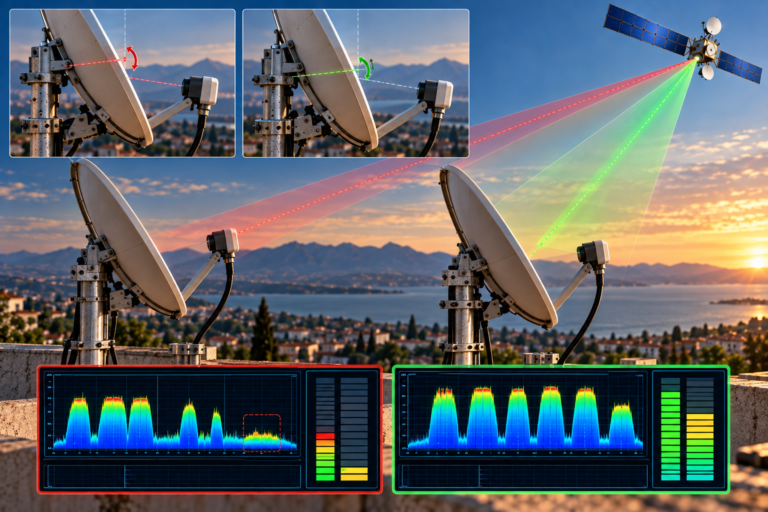
But slight alignment errors can dramatically reduce signal margin on more sensitive transponders.
Some frequencies tolerate this weakness better than others.
A dish may still support strong frequencies while weaker or more demanding frequencies become unstable.
Fine-tuning azimuth and elevation often improves difficult transponders immediately.
Professional installers usually optimize for maximum quality reserve instead of simply achieving lock.
Even small improvements in alignment can stabilize frequencies that previously appeared unreliable.
LNB Skew and Polarization Stability
LNB skew adjustment is extremely important on Eutelsat 16E systems.
Satellite transponders use different polarization directions to separate frequencies efficiently.
If the LNB skew angle is incorrect, isolation between horizontal and vertical signals becomes weaker.
This creates contamination between transponders.
Some frequencies become unstable much earlier because they receive additional interference from nearby polarized signals.
Weak skew adjustment may remain hidden on stronger transponders while causing serious instability on more sensitive frequencies.
Correct skew optimization often improves quality dramatically without changing dish position at all.
LNB Frequency Drift
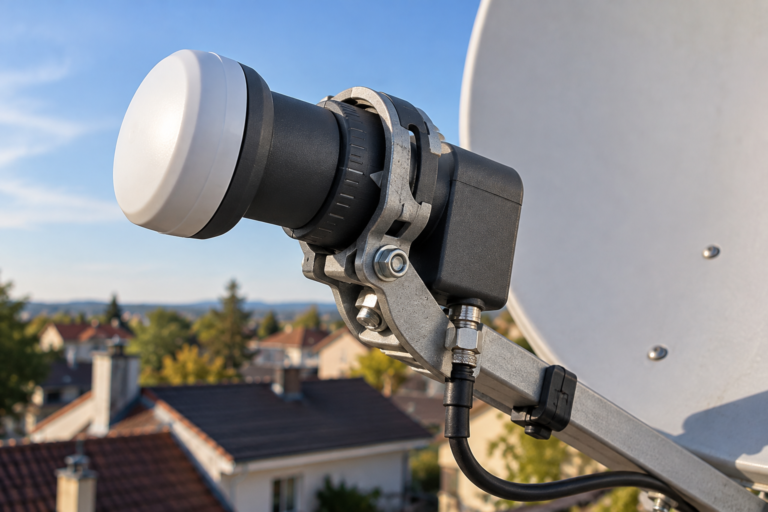
The LNB converts high satellite frequencies into lower frequencies the receiver can process.
This conversion depends on stable oscillator behavior.
Low-quality or aging LNBs may drift slightly under heat stress or changing environmental conditions.
Modern DVB-S2 frequencies require extremely accurate synchronization.
Small frequency instability may create BER spikes and decoding errors.
Some frequencies tolerate this drift better than others depending on modulation density and correction settings.
This is why users sometimes notice that unstable frequencies become worse during hot evenings or changing weather.
After temperatures stabilize later at night, the same frequencies may suddenly recover again.
Receiver Decoding and BER Instability
Satellite receivers continuously reconstruct digital transport streams while correcting transmission errors in real time.
As BER rises, the receiver must work harder to maintain synchronization.
Different tuners behave very differently under difficult conditions.
Higher-quality receivers often remain stable longer because they contain better demodulation systems and stronger error correction handling.
Cheap tuners may freeze more aggressively on sensitive frequencies.
Firmware optimization also matters.
Some receivers recover quickly from temporary BER spikes. Others lose lock completely.
This explains why one receiver inside the house may handle certain Eutelsat 16E frequencies better than another even when connected to the same dish.
Environmental and Weather Influence
Environmental conditions strongly influence unstable frequencies.
Humidity, rain fade, temperature shifts, and atmospheric attenuation all affect signal quality slightly.
Strong frequencies with large quality reserve survive these changes more easily.
Sensitive frequencies operating close to the decoding threshold fail much sooner.
Rain does not affect every transponder equally.
Some frequencies collapse quickly because they already lacked enough reserve margin before the weather changed.
Weak cable shielding and poor connectors can also increase environmental sensitivity.
Electrical noise from nearby equipment may further destabilize already weak frequencies.
Technical Comparison Table
| Condition | Stable Frequencies | Unstable Frequencies |
|---|---|---|
| Signal margin | Large reserve available | Operating near threshold |
| Modulation sensitivity | More tolerant | Requires cleaner quality |
| Dish alignment impact | Less visible | Very sensitive |
| LNB drift tolerance | Usually stable | Higher BER instability |
| Rain fade resistance | Better survival | Breaks earlier |
| Receiver synchronization | Stable decoding | Frequent lock loss |
Real Technical Fixes
The first step is maximizing signal quality margin rather than focusing only on signal strength.
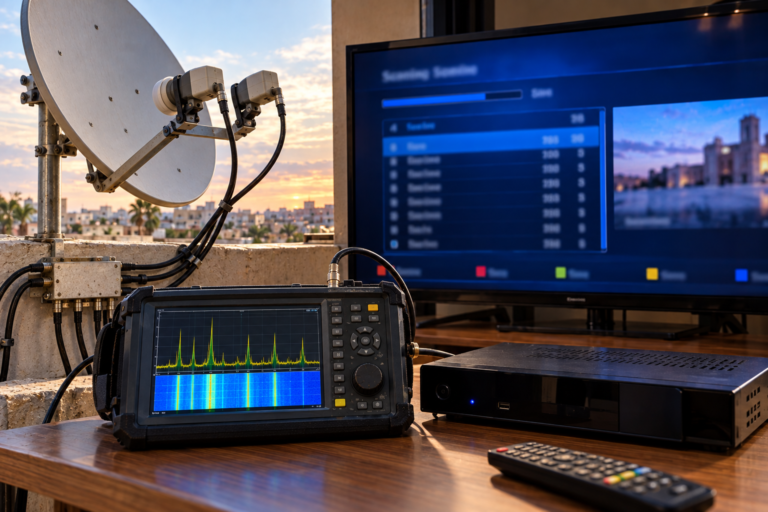
Dish alignment should be fine-tuned carefully using quality measurements and BER stability.
LNB skew optimization is extremely important on Eutelsat 16E systems.
Replacing old or unstable LNB units often improves difficult frequencies immediately.
Users should inspect coaxial cable condition carefully.
Water damage, poor shielding, and oxidized connectors increase noise and attenuation.
Receiver firmware updates may improve synchronization performance on difficult DVB-S2 frequencies.
Using larger dishes may also increase signal reserve significantly during difficult environmental conditions.
The goal is not simply locking frequencies during ideal weather. The goal is maintaining stable decoding under changing real-world conditions.
For more satellite technology analysis and European broadcasting updates, visit Television Technology News.
Some Eutelsat 16E frequencies feel unstable not because the satellite is malfunctioning, but because different transponders react differently to weak signal conditions. Modern HD modulation systems require cleaner quality and stronger synchronization. Small installation weaknesses become highly visible on these sensitive frequencies.
Unstable Eutelsat 16E frequencies are usually the result of limited signal margin, sensitive modulation systems, weak alignment precision, or unstable LNB behavior. The frequencies themselves are often exposing deeper weaknesses already present inside the receiving system. Proper dish optimization, stable hardware, clean cabling, and improved quality reserve remain the most effective long-term solutions for stable reception.
FAQ
| Question | Answer |
|---|---|
| Why are some Eutelsat 16E frequencies unstable? | Because some transponders are more sensitive to weak signal quality and environmental changes. |
| Does signal strength guarantee stability? | No. Signal quality and BER stability matter much more. |
| Can LNB skew affect specific frequencies? | Yes. Incorrect skew reduces polarization isolation and destabilizes sensitive transponders. |
| Why do frequencies fail more during rain? | Rain fade removes signal margin and increases decoding instability. |
| Can an old LNB create unstable frequencies? | Yes. Frequency drift and thermal instability often affect modern DVB-S2 signals. |
| What is the best fix for unstable frequencies? | Improving signal quality margin through precise alignment and stable hardware. |